Streamlined Inspection Program Safety Update
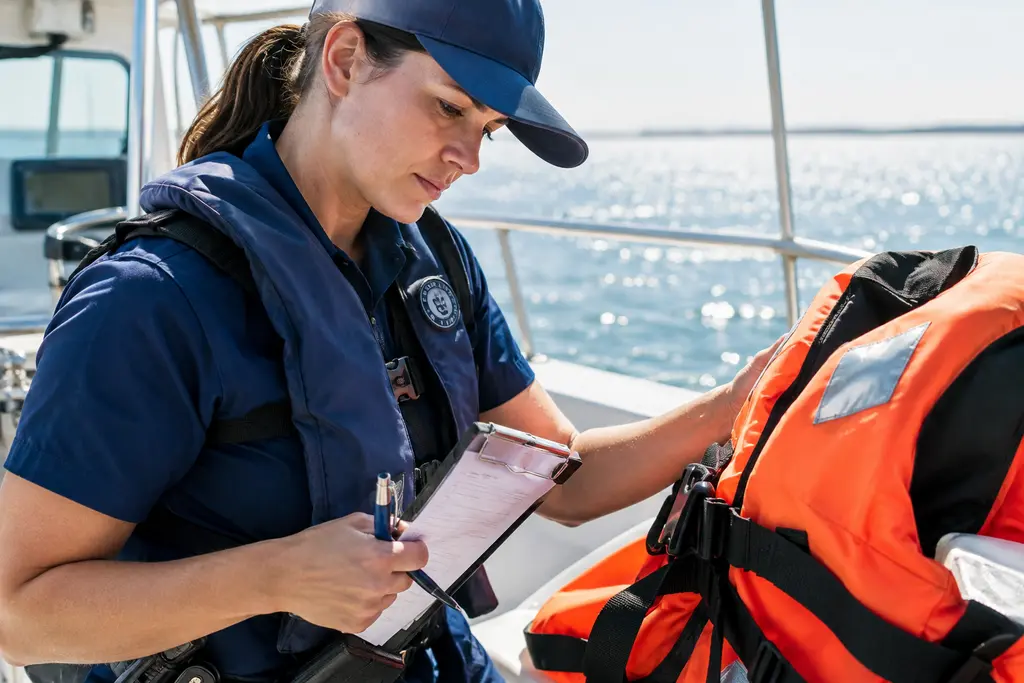
Streamlined Inspection Program changes remain draft. Learn who is affected, what may shift, and how crews can prepare safely.
Streamlined Inspection Program changes remain draft. Learn who is affected, what may shift, and how crews can prepare safely.
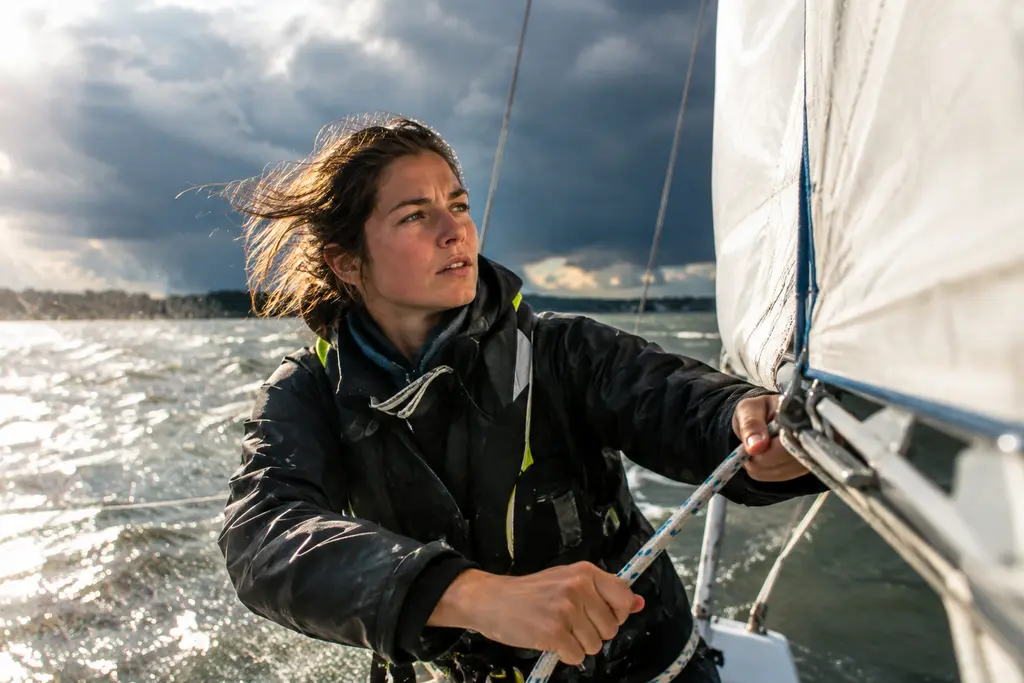
Late Season Boating weather checks help crews compare NOAA outlooks, marine zones, tides, advisories, and local observations before departure.
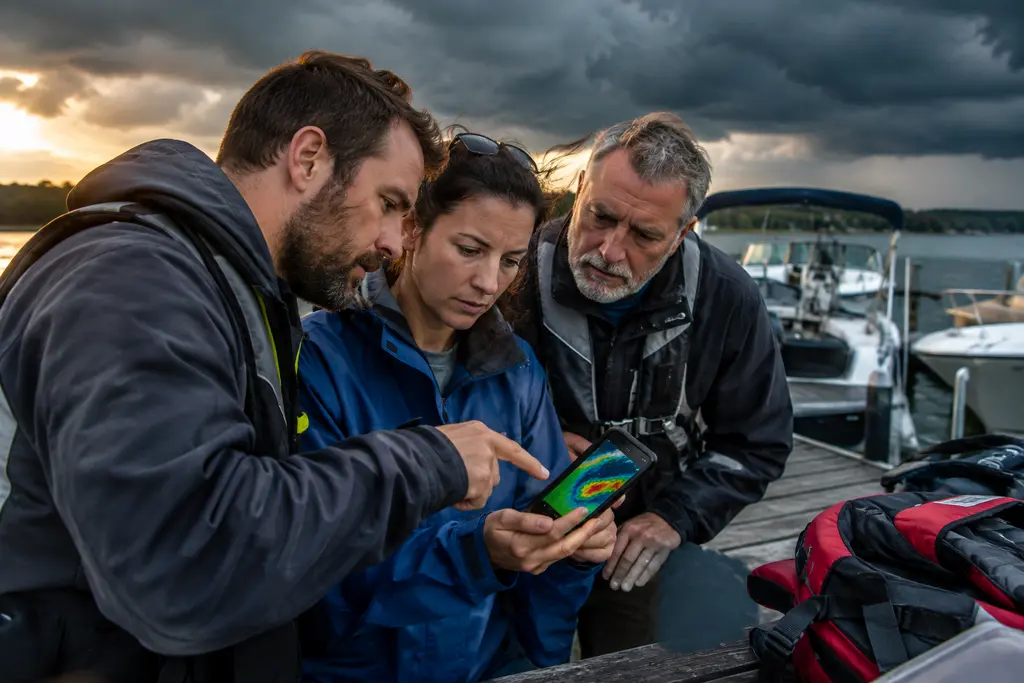
Hurricane Boating Safety starts with forecasts, mooring plans, life jackets, and no-go limits before tropical weather reaches the marina.
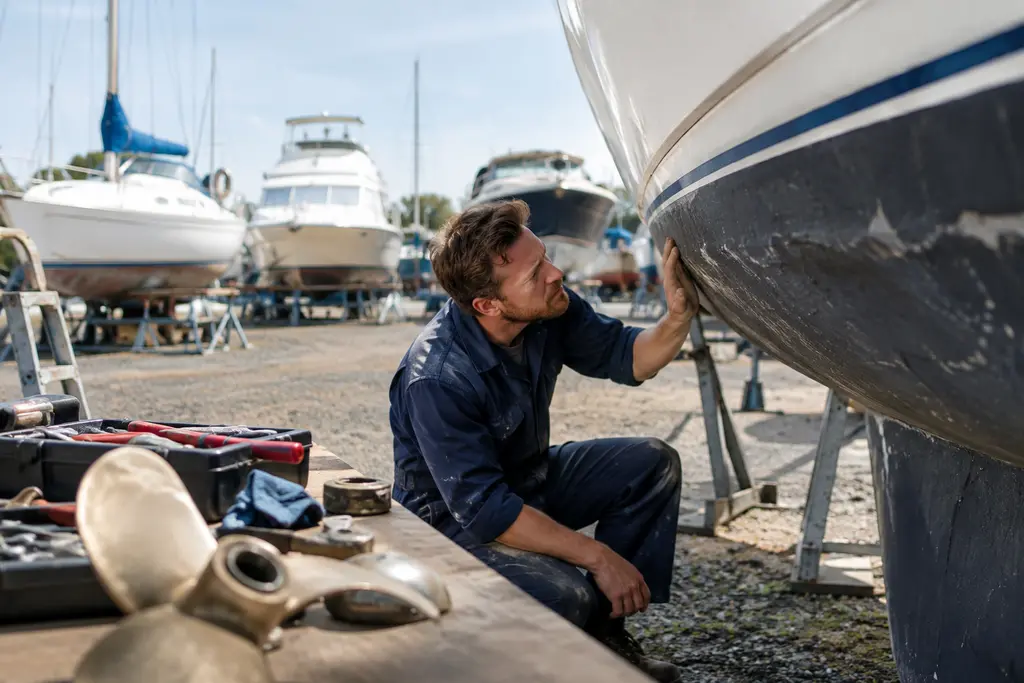
ECOS Maintenance helps owners inspect cut-off switches, carry spare links, keep records, and brief crews for safer compliant operation.

Use Gulf Stream alerts to plan safer small-boat trips, assess wind, seas, tides, and set go/no-go limits before leaving the dock.
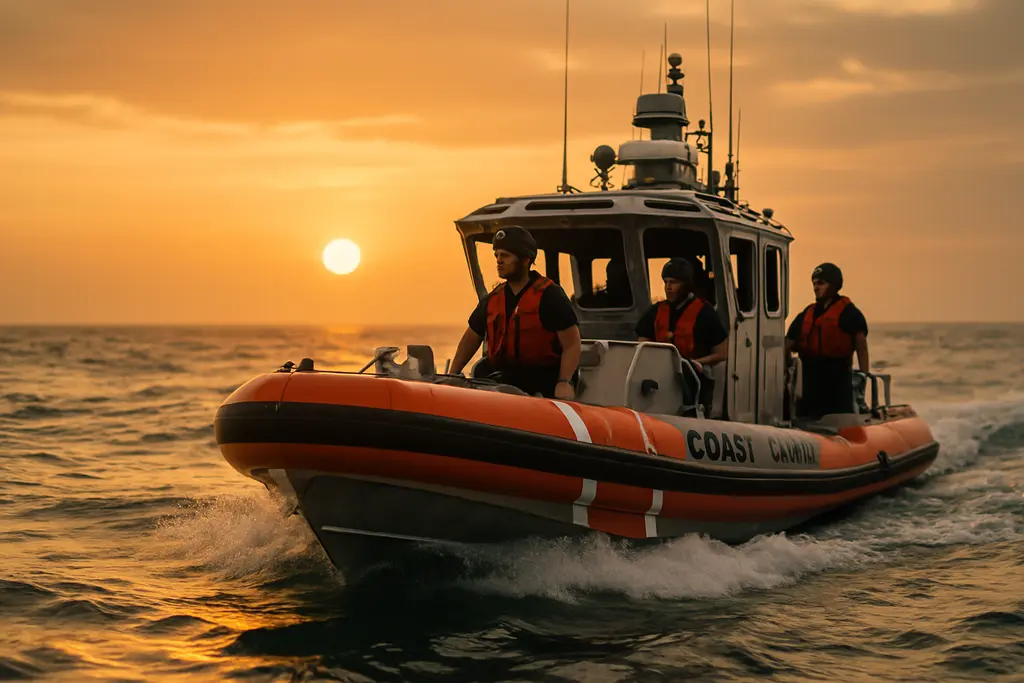
Illegal Charter Operations can hide missing inspections and unsafe loading. Learn practical dockside checks before paying or boarding a vessel.

Safe boating tips for Massachusetts boaters after the October 3, 2026 fatal incident near Manchester-by-the-Sea.
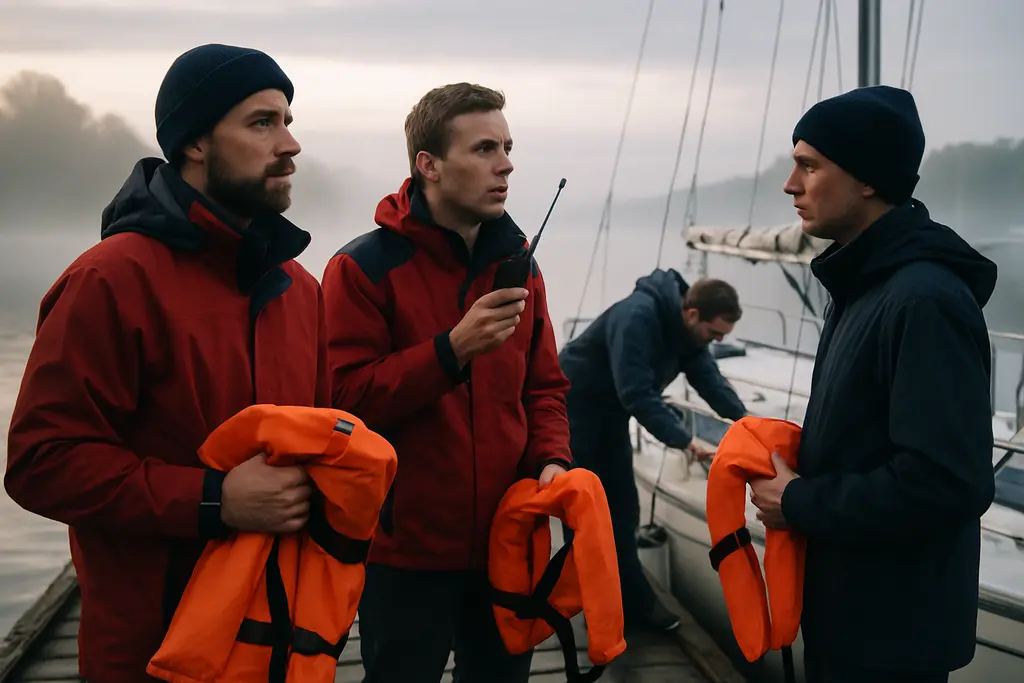
Marine weather preparedness helps boaters check forecasts, radios, life jackets, float plans, and routes before hazardous conditions build.
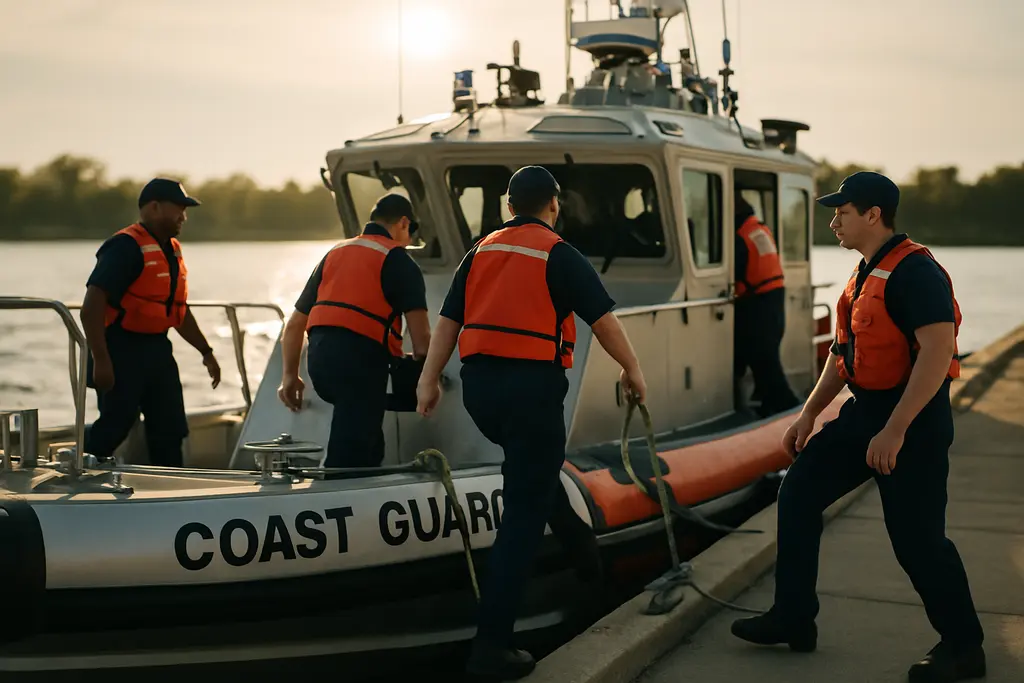
Coast Guard operations reveal practical lessons on life jackets, sober operation, charter checks, and small-boat readiness for safer trips.
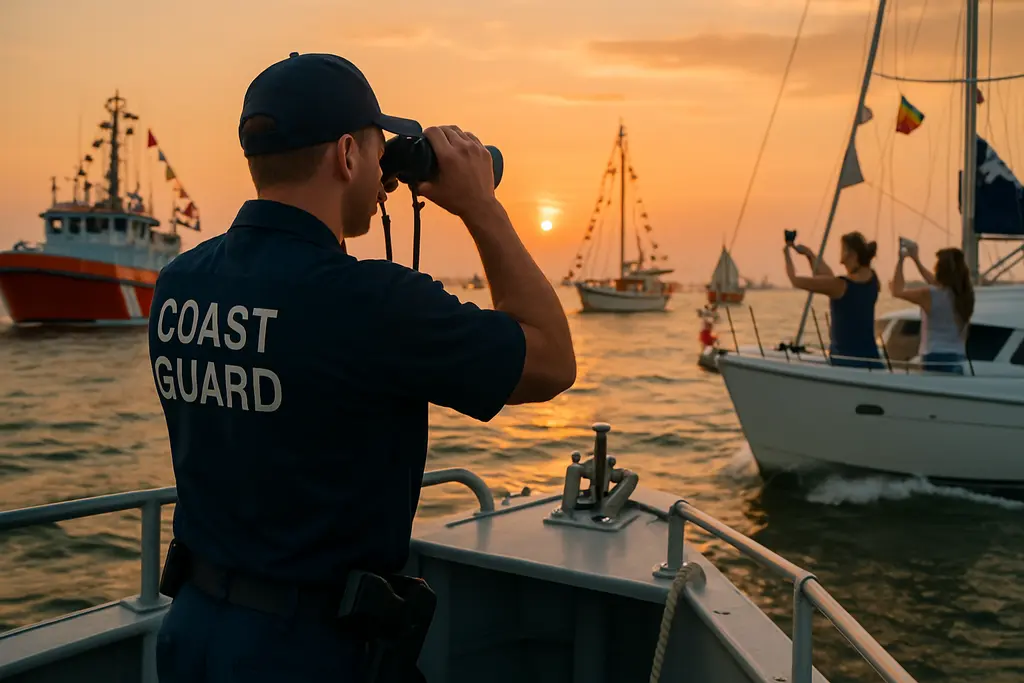
Navigational Alerts helped Bay boaters track Fleet Week zones, fog, swell, traffic, and short-term weather for safer route choices.